Featured
Table of Contents
That releases up cash in the brief term, and you may have three to 4 years to conserve toward the negotiation amount. Extremely unsafe to credit history, mostly as a result of missed settlements and an unfavorable "settled" mark that could remain on your credit report for approximately 7 yearsMay be just choice if various other alternatives (financial debt combination, equilibrium transfer charge card, debt mercy) aren't possibleTypically requires a cost to the 3rd party, which could counter some or all of the financial savings from debt settlementMay aid you stay clear of bankruptcy if you've missed numerous paymentsNot all creditors collaborate with debt negotiation companies Financial obligation mercy might be ideal for you if you are experiencing a monetary hardship that makes it nearly impossible to pay down your financial debt equilibriums.
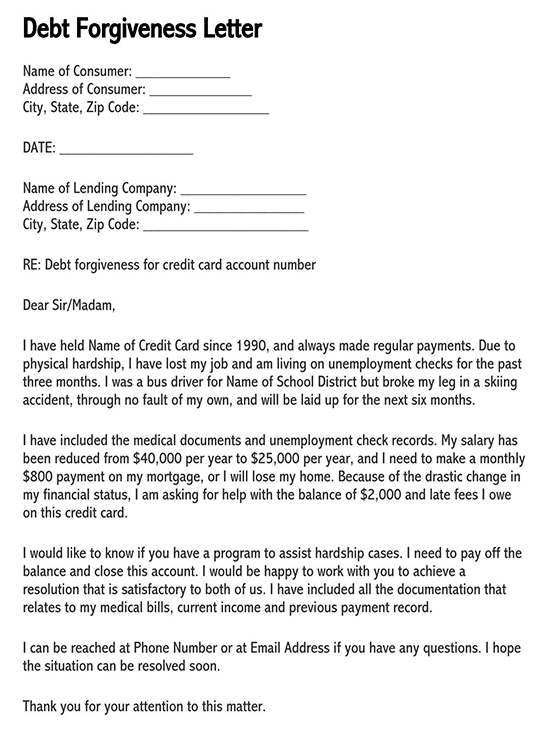
With a DMP, you make one regular monthly payment to the credit rating therapy company. Those funds are after that distributed to financial institutions of your unsecured debts, such as bank card and installment financings. The firm collaborates with your financial institutions to lower rate of interest or forgo costs, yet some creditors may decline such concessions.
A debt combination car loan combines your qualified financial obligations right into one new finance. It can aid you pay down debt if you have the ability to safeguard a funding price that's reduced than the ordinary price of the accounts you're combining. However, you have to avoid acquiring financial debt on those freshly cleared accounts or your financial debt can expand even higher.
That gives you plenty of time to eliminate or substantially minimize your equilibrium while making interest-free settlements.
Facts About Understanding Various Debt Forgiveness You May Know About Revealed
You might need it if your creditor or a collection firm ever before attempts to accumulate on the debt in the future. The letter might prove you do not owe what the collection firm's records reveal. Yes, in a lot of cases, the IRS thinks about forgiven debt as gross income. When a lender forgives $600 or even more, they are called for to send you Kind 1099-C.
Financial obligation forgiveness or settlement often hurts your credit. Anytime you settle a financial debt for less than you owe, it may appear as "cleared up" on your credit scores record and influence your credit report for 7 years from the day of settlement. Your credit history can also go down significantly in the months causing the mercy if you fall back on settlements.
A Biased View of "How APFSC Helps Veterans Manage Debt Ruins Your Credit" and More Myths
Tax obligation debt concession programs Tax financial obligation takes place when the amount of taxes you owe exceeds what you have actually paid. This circumstance usually arises from underreporting income, not filing returns in a timely manner, or inconsistencies found during an internal revenue service audit. The repercussions of collecting tax obligation financial debt are serious and can include tax liens, which offer the IRS a lawful case to your property as safety and security for the debt.
Earnings and Bank Accounts Internal revenue service can levy (confiscate) incomes and financial institution accounts to please the debt. Residential property Seizure In extreme situations, the Internal revenue service can seize and market property to cover the financial obligation.
Depression, anxiousness, and other mental health and wellness issues. Social Stigma Encountering legal activity from the internal revenue service can lug social preconception. Damage to track record and relationships. Work Opportunities A poor credit scores rating due to tire financial debt can limit employment possibility. Problem finding or maintaining a job. Government Benefits Tax debt might influence eligibility for federal government advantages, such as Social Security and Medicaid.
What Does Is It Worth Compared to DIY Approaches Mean?
The OIC takes into consideration several variables, consisting of the taxpayer's revenue, expenses, property equity, and ability to pay. Efficiently negotiating an OIC can be complex, calling for a comprehensive understanding of the IRS's standards and a solid debate for why your deal straightens with your capability to pay. It's essential to keep in mind that not all applications are approved, and the process requires detailed monetary disclosure.
The IRS examines your overall economic circumstance, including your income, expenses, possession equity, and capability to pay. You must additionally be current with all filing and settlement requirements and not be in an open personal bankruptcy proceeding. The internal revenue service also considers your compliance background, reviewing whether you have a document of timely filing and paying tax obligations in previous years.
Excitement About Key Things to Ask Before Signing Up
The application procedure for a Deal in Concession includes numerous detailed actions. First, you need to complete and send internal revenue service Kind 656, the Offer in Compromise application, and Kind 433-A (OIC), a collection details statement for individuals. These forms call for comprehensive monetary information, including information about your revenue, debts, expenditures, and properties.
Back taxes, which are unsettled tax obligations from previous years, can dramatically enhance your complete internal revenue service debt if not addressed without delay. This financial obligation can build up rate of interest and late payment charges, making the initial quantity owed a lot bigger in time. Failure to repay taxes can cause the IRS taking enforcement actions, such as issuing a tax obligation lien or levy versus your residential or commercial property.
It is very important to attend to back taxes asap, either by paying the total owed or by organizing a repayment plan with the internal revenue service. By taking proactive steps, you can avoid the build-up of additional interest and penalties, and protect against a lot more hostile collection activities by the IRS.
One common reason is the belief that the taxpayer can pay the total either as a swelling amount or with a settlement strategy. The internal revenue service likewise takes into consideration the taxpayer's revenue, costs, asset equity, and future earning possibility. If these aspects suggest that the taxpayer can manage to pay more than the used amount, the internal revenue service is most likely to reject the deal.
The Of Government Programs That Offer How APFSC Helps Veterans Manage Debt
Dealing with Internal revenue service financial debt can be complex and overwhelming. Tax experts, such as CPAs, tax lawyers, or enrolled agents, can supply very useful assistance.

Table of Contents
Latest Posts
How New Platforms Improving Bankruptcy Services Can Be Fun For Anyone
How Everything to Expect In the Debt Forgiveness Journey can Save You Time, Stress, and Money.
Not known Details About A Guide to Financial Fresh Starts in 2024
More
Latest Posts
How New Platforms Improving Bankruptcy Services Can Be Fun For Anyone
How Everything to Expect In the Debt Forgiveness Journey can Save You Time, Stress, and Money.
Not known Details About A Guide to Financial Fresh Starts in 2024